At the 3rd workshop organised by the Nanosats Federation, held from 4 to 6 March 2026 at Sorbonne University, researchers, engineers, space agencies, industry representatives and students came together with a shared objective: to discuss recent developments in NewSpace, its challenges and its prospects for scientific research. A unique opportunity for the scientific nanosatellite ecosystem to share experiences, discuss current challenges and generate new ideas.
A community taking shape
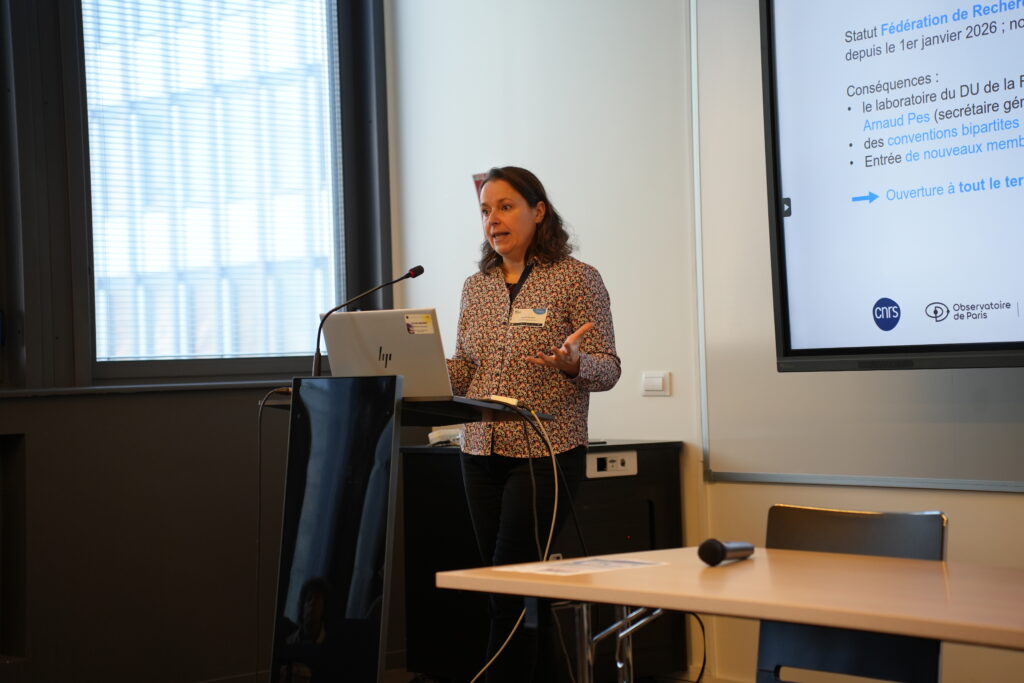
The opening presentation, delivered by Director Coralie Neiner, provided an overview of the Federation’s objectives and activities, reviewed the past year and outlined its prospects for the coming year. In particular, she highlighted the Federation’s gradual expansion across the country, facilitated by its new status as a Research and Coordination Federation, its efforts to engage with research bodies, agencies and NewSpace stakeholders, and the key role played by working groups in addressing issues of importance to the community..
These developments confirm the growing maturity of the Fédération Nanosats, which is gradually establishing itself as a key player in the field of scientific nanosatellites in France.
Scientific projects that are gaining momentum
The scientific presentations once again highlighted the richness and diversity of the missions undertaken by the Federation’s members. Projects such as Birdy, COSMOCal, IGOSat and NOIRE provided an update on their progress, whilst UVSQ-Sat-NG and IR-Coaster – already in orbit or on their return from the ISS – have provided us with initial results and feedback.
The confirmation of a key role
The presentation on the methodology for characterising electromagnetic compatibility specific to scientific nanosatellites, delivered by a mutualist engineer from the Federation, also highlighted an innovative approach of value to the community. This groundwork, of general utility, perfectly illustrates the key role that the Nanosats Federation can play for the members of its community. This proactive approach by the Federation could be replicated in the development of other tools or key technological building blocks, such as those relating to the fine guidance system.
The first day concluded with a group brainstorming session, during which participants were invited to come up with a unifying project led by the Nanosats Federation. This exercise helped to identify new avenues for exploration and strengthen the community’s cohesion.
Closer dialogue with industry
The second day opened up discussions with industry players and explored developments in NewSpace. Presentations by Eutelsat, OpenCosmos, HyPrSpace and the Assises du NewSpace provided valuable insights into the changes currently taking place and opportunities for collaboration between the academic and industrial sectors.
These discussions highlighted a key issue: strengthening synergies between research and industry in order to accelerate the development of scientific nanosatellite projects and technological innovation, with a view to facilitating, in particular, their access to suitable technical and operational solutions.
The spatial sector : a strategic issue
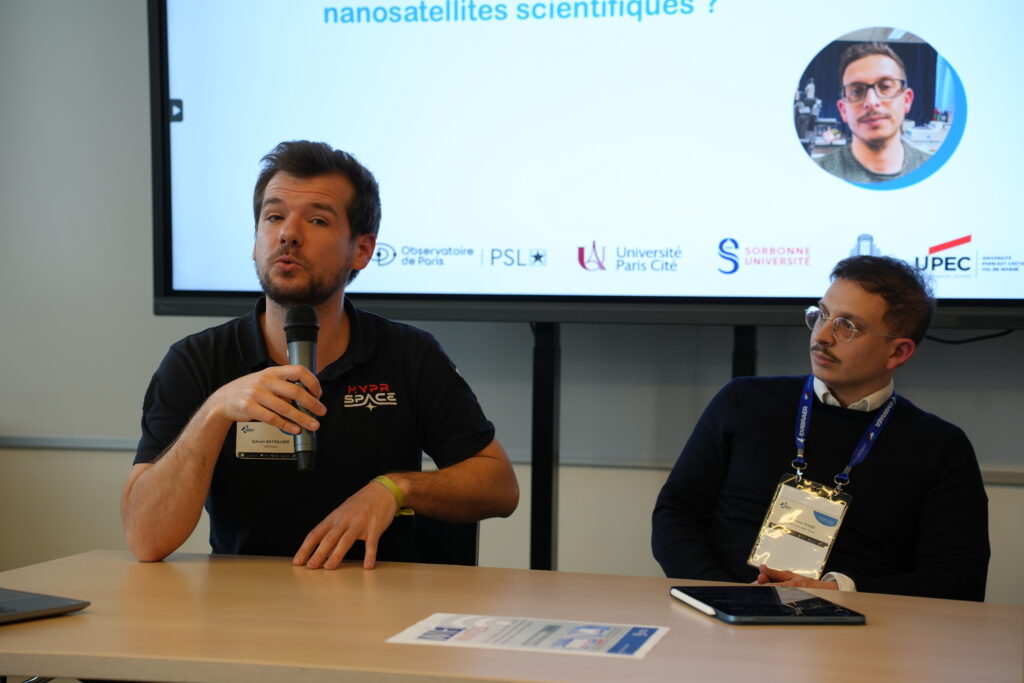
The round-table discussion on launch solutions was one of the highlights of the workshop. The discussions focused on the need to balance cost reduction, flexibility and launch precision in order to meet the specific requirements of scientific nanosatellites. The emergence of new players and the diversification of launch options are shaping a rapidly changing landscape, presenting both opportunities and new challenges for the community.
The presentation by the Île-de-France Space Academy also highlighted the importance of training to support this growth and prepare future generations for the challenges of the space sector.
Funding and outlook
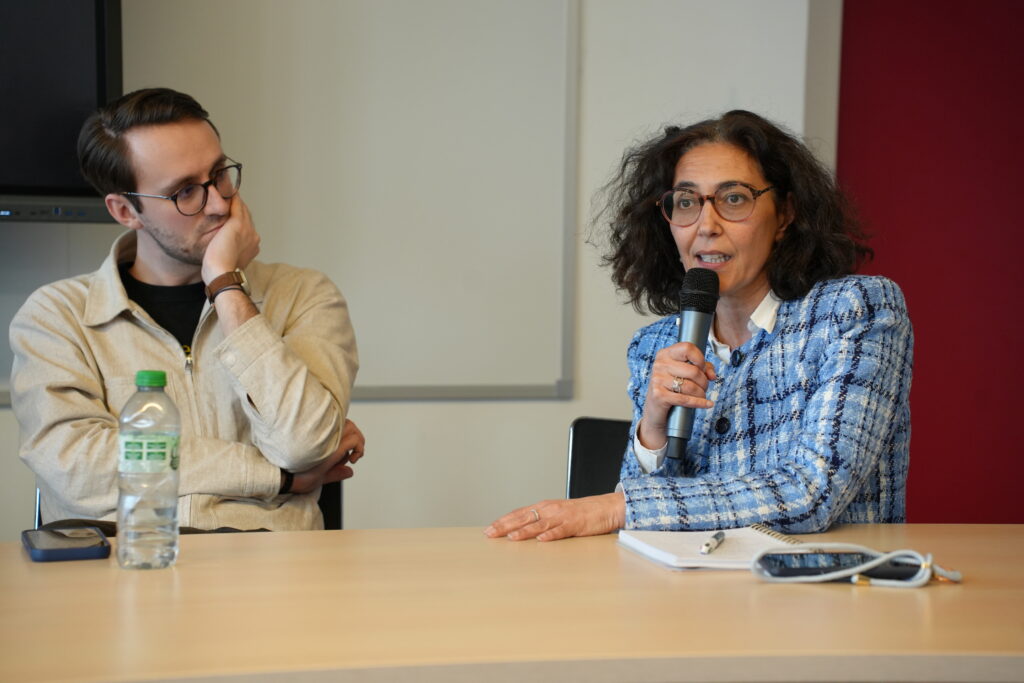
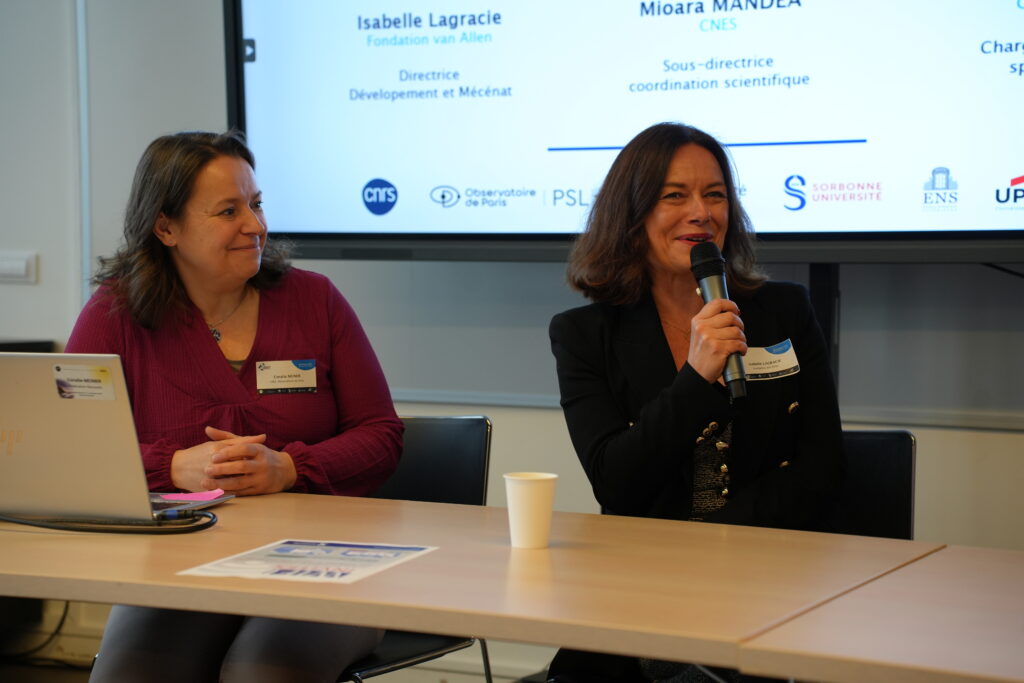
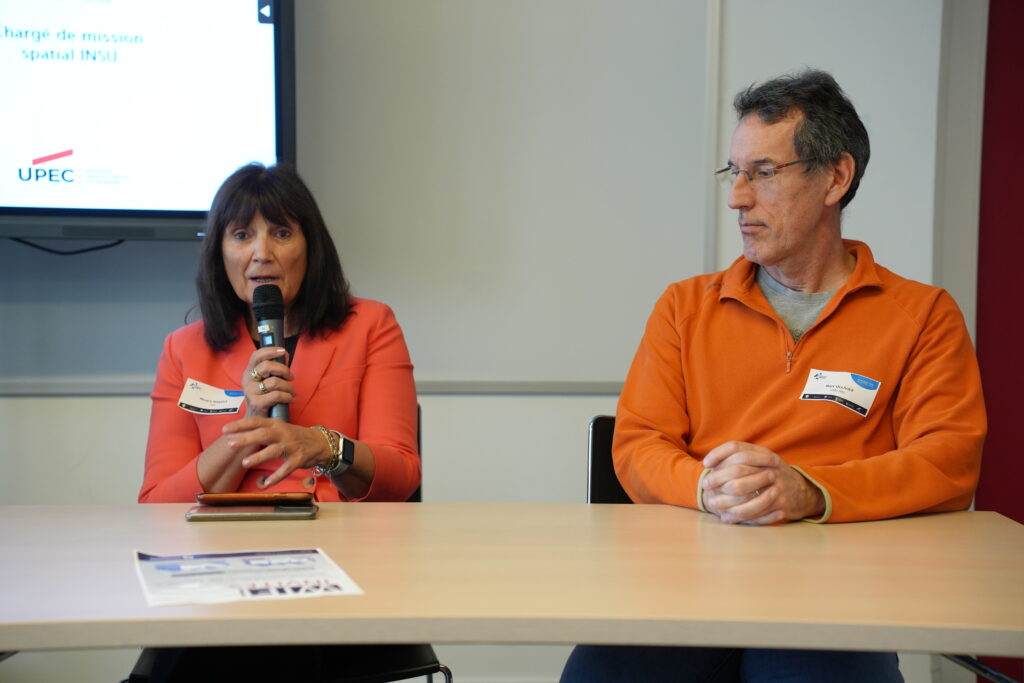
The round table on funding issues highlighted persistent challenges: the difficulty of securing funding for scientific nanosatellites and the almost universal need to rely on a multitude of small grants with varying deadlines. However, there do appear to be – as demonstrated by the model developed by the University of Montpellier’s Space Centre – a number of levers to support the development of future projects, suggesting that a break with traditional funding methods is inevitable.
A key event for the scientific NewSpace sector
Through the diversity of the presentations and the richness of the discussions, the 2026 edition reaffirms the workshop’s central role as a defining event for the scientific nanosatellite community. More than just an annual gathering, it has established itself as a forum for dialogue, knowledge-sharing and inspiration for future projects.
Against the backdrop of rapid developments in NewSpace, a key question is emerging: no longer one of the legitimacy of scientific nanosatellites, but rather one of the resources to be mobilised and the national ambition required to support their implementation and ensure competitiveness.